Most people never think about bail till the phone rings in the evening and a loved one is being in a holding cell. The very first concerns come quickly. How much will this set you back? Will they be released before test? Does the court sight this as hazardous? The answers rest on 2 words that bring massive weight in American courts: terrible and pacifist. The group of the fee forms whatever from the bond schedule to the court's threat calculus, from the availability of Bail Bonds to the conditions linked to release.
I have rested with families in fluorescent-lit waiting rooms and watched accusations where 2 defendants encountering similar truths obtained really various outcomes. The differences are not always instinctive, and the discretion of judges and the framework of regional statutes matter more than the headings. If you comprehend just how courts evaluate threat, what devices they use, and how bondsmen run, you can make smarter, much faster decisions when it counts.
What bail tries to do
Bail is not punishment. It is a device to make sure a defendant appears in court and does not endanger the general public while the instance moves forward. That second objective, public safety, is where terrible costs often tend to transform the formula. In numerous territories, statutes clearly advise courts to consider danger, not just flight threat. Threat evaluations, probation records, and the truths declared in the issue all feed right into that calculus.
Two constraints form any kind of bond decision. First, the Constitution prohibits extreme bond, which implies the amount should be no more than needed to accomplish the objectives of appearance and safety. Second, states vary widely in exactly how they apply those concepts. Some have moved toward nonmonetary launch for many pacifist instances. Others still rely upon taken care of schedules and cash quantities. The cost category often turns the default setting from launch to caution.
Violent vs. nonviolent is not always simple
A terrible fee normally involves real or threatened physical harm: robbery, attack, murder, residential violence, certain weapons offenses, and some sex crimes. Pacifist typically means property or regulatory offenses: theft, fraudulence, drug ownership, straightforward DUI without injury, probation infractions that do not include a brand-new violent act. Yet the line can obscure. Burglary can be pacifist in one statute and a terrible felony in one more, based on whether the area is a house or whether a tool existed. A risk communicated digitally might still count as a fierce crime. Domestic incidents are often billed strongly since the threat of escalation is well documented.
I once saw two defendants in nearby cases. One faced a felony theft for embezzling 10s of thousands of bucks from an employer, a typical pacifist residential or commercial property crime. The other encountered violation residential battery after a neighbor asked for loud shouting and a shove, without injury. The theft case had actually a bail evaluated $50,000 due to the dollar quantity and possible trip risk connected to job loss. The domestic battery accused was held on a much smaller quantity, yet with a protective order, alcohol surveillance, and a no-contact condition. Severity in dollar terms did not equate to danger. The court's attention gravitated to that could be damaged in between accusation and trial.
How courts make a decision: variables that matter
Across states, you see comparable elements duplicated in bail hearings. They relate to both terrible and nonviolent costs, but the weight shifts.
- The severity of the supposed offense, consisting of whether it involved tools, injuries, or vulnerable victims. Prior criminal history, with special examination on failures to show up and prior violence. Ties to the neighborhood: family members, task, length of residence. The toughness of the evidence as extended at the early stage. Any history of going against limiting orders, probation, or pretrial conditions.
An offender with a tidy document, a steady address, and a pacifist fee typically gets launch on recognizance or a low bond with very little problems. An accused with a terrible cost usually deals with a greater bond, tighter guidance, or no bond, despite having similar connections. Judges are allowed to be sensible. If a weapon was made use of, or if there is a trustworthy threat to a victim, public safety and security takes the lead.
Bail schedules, danger tools, and the limitations of formulas
Most regions use a bail timetable that designates a buck total up to certain charges. For example, an easy medication ownership could skip to $1,000 to $5,000, whereas a first-degree assault could skip to $50,000 to $250,000. Routines are starting factors. At the opening night, the defense can ask to deviate down, the prosecutor can push up, and the court can add or eliminate conditions. Some territories have actually relocated away from routines and toward verified danger devices that score the probability of failing to show up and brand-new criminal activity.
These risk devices are not clairvoyances. They commonly utilize age, prior arrests, prior failings to show up, offense grade, and other information factors. In technique, a terrible charge raises the "new criminal activity" risk, also if the underlying data is thin, which causes more stringent problems and higher bonds. Defense attorneys who do this every day come equipped with letters from companies, evidence of secure real estate, therapy enrollment, or a plan for third-party guidance. The objective is to put a human story beside the danger score.
When bail could be refuted entirely
For the most major terrible criminal activities, judges can order apprehension without bond where laws permit it. The standard differs by state, but usual categories consist of murder, specific sexual offenses, heist with injury, and repeat violent felonies. If the prosecution meets a specified problem at an apprehension hearing, the defendant continues to be captive pretrial. In residential physical violence and tracking instances, short-lived holds are also typical while the court establishes safety orders and verifies security plans.
Nonviolent fees rarely bring about straight-out detention unless there is a severe flight threat, a string of failings to appear, or a violation of release in a pending instance. That claimed, some nonviolent offenses linked to large scams systems or immigration issues can set off federal holds or detainers from various other jurisdictions, which complicate release despite the cost category.
Where Bail Bonds fit in
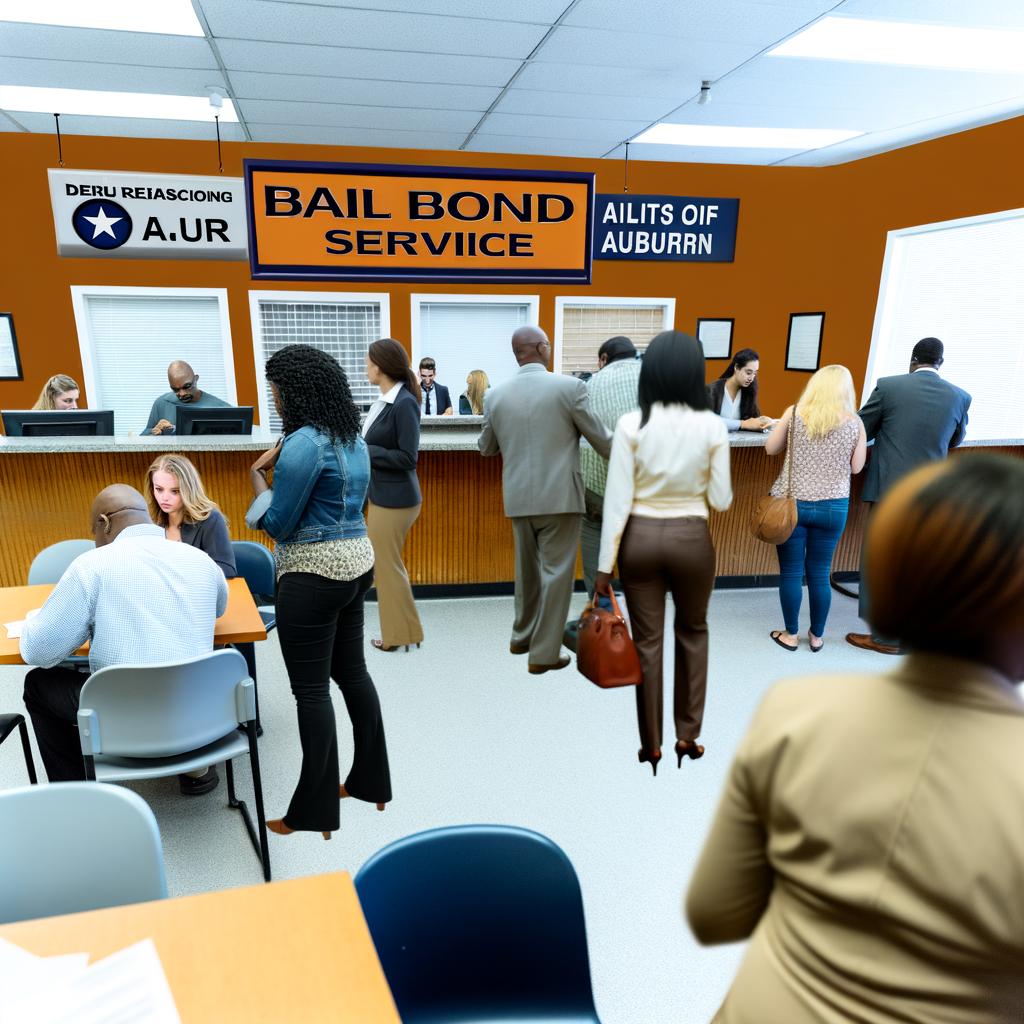
A Bond Bond is a contract. The bondsman ensures the sum total of the bond to the court if the offender does not show up. In exchange, the offender or a cosigner pays a nonrefundable premium, usually a percentage of the overall bond. In several states, that premium ranges from 7 to 10 percent, sometimes much less if law permits discounts or even more if the danger is unusual. For a $100,000 bond, a 10 percent costs is $10,000. Security may be called for, such as a lorry title or a lien on home, to cover the bondsman's risk.
With pacifist costs, bondsmen usually approve reduced collateral and less special problems because the regarded danger is lower. For violent costs, anticipate more extensive underwriting. A bondsman might request several cosigners, higher security coverage, GPS tracking with a third-party supplier, or a structured check-in routine. If the supposed conduct suggests threat to a victim, some bail bondsmans will certainly decline the situation completely. Their business is managed, and their insurance policy service providers maintain a close eye on loss proportions for fierce offenses.
A practical note: documentation issues. The faster you can provide recognition, evidence of address, pay stubs, residential property acts, or automobile titles, the quicker the bond can be posted. In a midnight telephone call from a county jail, families typically have only partial info. Ask for the reserving number, the specific fees, the bond amount, and the following court day. With fierce costs, also ask about any kind of no-contact orders or special problems, because violating them after release threatens both the offender's freedom and the cosigner's wallet.
Nonmonetary problems: the surprise price differences
Money is not the only bar. Courts utilize problems to take care of threat, and terrible costs tend to activate stricter problems that bring prices and logistics.
Electronic monitoring seems easy till you recognize someone needs to set up, preserve, and spend for it. Daily costs differ extensively by region and supplier, usually $8 to $20 daily. Domestic physical violence cases usually consist of a stay-away radius, implemented by GPS. Alcohol tracking with a SCRAM arm band features comparable day-to-day costs. Gun surrender is regular in violent situations and domestic occurrences, and the defendant might need evidence of compliance within a brief window. Time limits, home arrest, or day coverage include layers that require meticulous adherence. A missed check-in, also by an hour, can lead to a violation hearing.
For nonviolent fees, problems could be limited to straightforward reminders, occasional check-ins, or enrollment in a program like burglary awareness or first-offender drug therapy. The threat account invites a lighter touch. Still, any problem ends up being the accused's obligation. If a court orders medication testing, expect arbitrary calls and limited notification. Failing to show is as harmful as a favorable test.
The function of pretrial solutions and supervision
Pretrial services departments, where they exist, are the key between the court and the accused. They examine danger, advise conditions, and track conformity. Terrible costs usually move defendants right into higher-intensity supervision rates. You could see weekly in-person check-ins, home check outs, or employment confirmation. The court will certainly ask pretrial services for a fast status report if something goes wrong.
Nonviolent instances regularly rely upon automated tips, phone check-ins, and program participation without tight monitoring. In areas with robust pretrial systems, defense lawyer lean on these divisions to suggest for launch without monetary bail for pacifist offenders. That disagreement is harder to make when the fee involves injury or tools, also if the accused's life or else shows stability.
How district attorneys mount their requests
Prosecutors don't regulate bond, yet they start the conversation. In terrible situations, they emphasize the truths that suggest danger: a pattern of assaults, a safety order already in place, message dangers, displayed tools, drunkenness, or an escalation over previous occurrences. They will certainly typically bring a target supporter to court and might provide to put a detective on the record to anchor the judge's concerns.
In nonviolent cases, prosecutors often concentrate on failings to show up, pending warrants, or the extent of supposed fraudulence. If an accused is implicated of taking from an employer and has accessibility to funds, the district attorney may suggest flight threat in spite of the pacifist tag. Extent continues to be severity in monetary criminal activities. A $500 shoplift is not dealt with like a $500,000 embezzlement, despite the fact that both do not have physical harm.
Defense methods that work in both categories
Preparation matters greater than passion. Juries reply to concrete strategies. A defense attorney that strolls in with a confirmation letter from an employer, a therapy intake appointment arranged for the following day, a family member going to work as a third-party custodian, and a checklist of referrals with contact number offers the court something to hang its order on. For terrible fees, having a documented security strategy and instant conformity with weapon abandonment can pivot a judge from apprehension to managed release.
For nonviolent fees, the defense must not assume simple launch. If the accused has missed out on court in the past, suggest sensible options: trip shares, a schedule system, and a co-signer that dedicates to suggestions and adventures. A court would rather see a strategy than hear a promise. And if the bond is established high but reachable with assistance from a bail bondsman, present the bail bondsman's preparedness and the names of cosigners during the hearing.
The economics of Bail Bonds by fee type
From the bondsman's point of view, a terrible instance brings two distinct dangers. The first is failing to appear, which activates the obligation to the court and the cost of worry. The 2nd is cancellation for violation of problems, which causes loss proceedings if not managed carefully. An accused who goes back right into protection for calling a safeguarded person might still produce expenses for the bondsman, and it takes legal initiative to reserve those forfeitures. That is why premiums on paper might be the exact same percent, yet the security and cosigner demands go up for fierce charges.
In nonviolent instances, particularly first offenses with solid area ties, some bail bondsmans will certainly approve layaway plan for the premium and very little collateral. They may upload within mins after obtaining the application and a credit card consent. Turnaround times can be gauged in hours instead of days. Terrible situations frequently reduce while the bail bondsman verifies addresses, work, and the security of the cosigners. An excellent bondsman will certainly inform you upfront whether the situation fits their underwriting window. If they take it, they will certainly describe the checkpoints that maintain the bond safe.
State and regional creases that alter outcomes
A couple of instances highlight just how location rewrites the rules.
- In New Jersey, financial bond mostly went away with the transfer to risk-based pretrial release. Violent charges currently funnel right into apprehension hearings, and the court often orders guidance without money or denies release after an official finding. Bail Bonds are rare there, but protection preparation for a detention hearing is intense. In Texas, financial bail continues to be typical. A nonviolent drug possession may result in a reduced bond and fast release through a bondsman, while a residential physical violence assault can bring a significant bond plus general practitioner, also for a very first crime. Regional courts in larger areas may make use of risk devices, yet bondsmen continue to play a main role. In The golden state, areas differ. Some use zero-bail plans for minor nonviolent offenses, specifically after the pandemic-era pilot jobs. Violent costs still command greater bonds, and residential situations commonly call for additional steps before release, such as a cooling-off hold. In federal court, the Bail Reform Act focuses on problems and apprehension over cash. For terrible federal costs, detention is more probable. For pacifist white-collar cases, accuseds commonly safe and secure release with traveling restrictions, abandonment of keys, and third-party custodians. Traditional Bail Bonds are uncommon in government court.
Before you presume a number or a regulation, ask someone that practices in the particular area. A single administrative order can alter default bond setups overnight.
Collateral, cosigners, and the human side of risk
A bond is secured by people, not simply residential property. A solid cosigner is a person with secure earnings and a long-lasting link to the accused that wants to get the phone at 2 a.m. and insist on compliance. With violent charges, bondsmen will probe that connection. Are you prepared to call us if your bro violates a no-contact order? Will you drive him to court? Do you understand you might lose your vehicle or equity if he runs?
Families often bristle at these questions. It assists to see them not as uncertainty, yet as a shared plan to keep the accused on track. I have actually seen moms save bonds by reporting very early indication, like drinking in violation of conditions, and after that collaborating with the attorney to modify terms prior to an infraction spirals into abrogation. That sort of aggressive honesty is unusual, yet it is the difference between a case progressing and a second arrest.
What accuseds must do within 24 hr of release
The first day after release sets practices. For fierce costs specifically, courts look for immediate compliance. Make 3 telephone call. Initially, verify your next court date and placed it in composing in three locations you can not neglect. Second, contact your attorney or the public protector's office and schedule a meeting. Third, call your bondsman for an orientation on check-ins and coverage. Then look after any type of needed abandonments or setups the exact same day: guns, GPS, alcohol screens. If there is a protective order, move out or prepare belongings via a 3rd party. Do not examine the limits; an informal text can be a violation.
For nonviolent charges, the pace is less extreme, but the exact same principles use. If a program is called for, enlist quickly and keep evidence. If traveling constraints use, alert your company of your restrictions and ask for paperwork if traveling is inevitable. Keep every invoice and letter. Proof calm judges.
Common myths and quiet realities
People typically think fierce costs always indicate no bond. That is not precise. Several defendants implicated of violent acts are launched with rigorous conditions, especially in jampacked dockets where detention beds are minimal and pretrial solutions are durable. On the other hand, people presume nonviolent methods simple. An offender with numerous bench warrants on petty thefts can being in prison much longer than a newbie assault offender who has full neighborhood assistance and a lawyer who prepared well.
Another misunderstanding is that paying a costs purchases adaptability. It does not. The court regulates the problems. Bondsmen can enforce their own needs, like in-person check-ins, but they can not waive judicial orders. If a court claims no contact, no quantity of premium modifications that. Violations can lead to a bond being surrendered, which means the bail bondsman asks the court to revoke the bond and take the defendant back right into safekeeping to cut losses. No person desires that outcome, however it is a device they will use if threat spikes.
When to think about not bonding out
This is the unpleasant component. In some cases, staying in protection briefly makes strategic feeling. In violent cases with likely safety orders, a couple of days captive can calm feelings, allow guidance to prepare a safe release plan, and avoid very early mistakes. In instances where the prosecution's proof is thin and an apprehension hearing is arranged within a day or two, a defense lawyer might advise waiting on a much better possibility at launch without money rather than rushing right into a high bond with onerous conditions. This is not usual guidance, however experienced legal representatives discuss it, particularly in counties with fast detention calendars.
For nonviolent instances, if the bond premium would certainly eliminate rent money and the case is likely to settle in the beginning look with time served or diversion, it might be logical to wait. That choice relies on local practices and just how swiftly the court refines instances. A good lawyer will give clear-eyed support instead of failing to the fastest option.
What excellent prep work resembles, by charge type
For fierce costs, construct a safety and stability package. That implies a confirmed location to live far from the claimed sufferer, a transport plan for court, proof of work or college, and letters from accountable adults going to aid monitor. If substances were involved, align treatment and reveal registration. If firearms exist, surrender them and obtain documentation.
For pacifist charges, highlight integrity and restitution. If there is a claimed economic loss, gather evidence of funds for partial restitution or a strategy to pay. If the concern is dependency, show therapy steps. If court participation has actually been a trouble in the past, demonstrate architectural repairs like a new phone with calendar notifies and a trusted person designated to reminders. Judges are human; they react to authentic effort and reasonable structure.
The bail bondsman as a partner, not simply a payor
The ideal Bail Bonds experts do greater than article paper. They recognize the clerks, the jail launch office rhythms, and the probation team. They can tell you which jail launches on which changes and just how to stay clear of a missed out on bus. In terrible situations, they will certainly demand a clear interaction chain since small lapses end up being huge troubles under stringent problems. Treat them as a member of the team and phone call before changing addresses, work, or phone numbers. Surprises are the enemy of low-risk bonds.
For nonviolent cases, that relationship is still valuable. Bondsmen often recognize when schedules change or when a court is out and a more lax https://los-angeles-90004.almoheet-travel.com/top-misconceptions-concerning-bail-bonds-debunked task court is in. They see patterns across hundreds of situations and can warn you regarding risks like vacation docket delays or supplier backlogs for screen installations.
A last, useful comparison
If you strip away tags and consider end results, three distinctions regularly turn up in between fierce and nonviolent costs at the bond stage.
- Money: Terrible fees mean higher bond amounts generally and more collateral for Bail Bonds. Pacifist cases see more launch on recognizance or lower bonds. Conditions: Violent costs bring tight conditions focused on security, like no-contact orders, GPS areas, and material tracking. Nonviolent problems focus on appearance, with lighter supervision. Discretion: Violent instances trigger even more prosecutorial push for detention and more judicial caution. Nonviolent instances offer defense attorney more area to bargain launches built on area ties and programs.
Those differences do not decide every case. A ready defense, a reputable strategy, and an accountable cosigner can change end results. I have seen terrible defendants leave under stringent guidance since the items were aligned and the court felt safeguarded. I have actually seen pacifist offenders rest since no one had a concrete plan and the court no longer relied on promises.
If you are the person making contact the middle of the evening, time out and gather 4 items before you dial a bondsman or stroll right into court: the reserving number, the exact charges, the bond quantity, and the following court date. After that construct a strategy that addresses either risk or reliability, depending on what the charge informs the judge to be afraid. Money might unlock, however a reliable strategy maintains it open.